
How to Prepare Your Home for a Successful Showing

A showing can shape a buyer’s first impression in minutes. A clean, bright, easy-to-walk-through home helps buyers focus on the space, not the chores. Use this checklist before every appointment.

Start with a clean and clutter-free home
Clean first. Then declutter. Both matter.
Buyers notice dust, odors, fingerprints, and crowded surfaces. Even if the home has great features, mess can make rooms feel smaller and poorly maintained.
Focus on the areas buyers inspect most:
Kitchen counters, sink, stove, and cabinet fronts
Bathroom mirrors, toilets, tubs, showers, and faucets
Floors, baseboards, rugs, and entryways
Windows, blinds, ceiling fans, and light fixtures
Closets, pantry shelves, garage, and laundry area
Keep counters as clear as possible. Leave out only what looks neat and useful. In the kitchen, a coffee maker or bowl of fruit is fine. A stack of mail, cleaning supplies, and small appliances should go away.
In bathrooms, remove personal items from the sink and shower. Store toothbrushes, razors, prescriptions, and cosmetics out of sight. Put fresh towels out if they look clean and coordinated.
Decluttering does not mean hiding everything in closets. Buyers open closets. If storage areas are packed, the home can feel short on space. Box up off-season clothes, extra toys, unused kitchen items, and décor you do not need while the home is listed.
Before each showing, do a quick reset:
Make beds
Empty trash cans
Put dishes away
Wipe sinks and counters
Straighten pillows and throws
Pick up pet bowls, toys, and litter boxes when possible
The goal is simple. Make every room feel cared for, open, and easy to understand.
Improve curb appeal before buyers reach the door
The showing begins at the curb. Buyers form an opinion before they step inside.
Walk outside and look at the home as if seeing it for the first time. Check the driveway, walkway, porch, front door, yard, mailbox, and exterior lighting.
Start with basic maintenance. Mow the lawn. Rake leaves. Pull weeds. Trim overgrown shrubs. Sweep the porch. Remove cobwebs. Put trash bins out of view.
Small updates can make the entry feel fresh:
Add a clean doormat
Place simple potted plants near the door
Wipe or repaint the front door if needed
Replace burned-out exterior bulbs
Clean house numbers and door hardware
Wash windows near the entry
Do not overdo the décor. A clean entry beats a crowded one. Buyers need a clear path and a pleasant arrival.
If the showing is in the evening, turn on porch lights and pathway lights before you leave. Good lighting helps the home feel safe and inviting.

Create a welcoming atmosphere inside
A home should feel comfortable, but not too personal. Buyers need room to imagine their own furniture, routines, and style.
Open blinds and curtains before the showing. Natural light makes rooms feel larger and warmer. Turn on lamps and overhead lights, even during the day. This helps avoid dark corners and uneven lighting.
Set a comfortable temperature. If it is hot outside, cool the home before buyers arrive. If it is cold, warm it up. Buyers may not stay long in a home that feels uncomfortable.
Handle odors with care. Avoid strong candles, heavy sprays, and plug-ins. Strong scents can make buyers wonder what is being covered up. Instead, remove odor sources. Take out trash. Clean pet areas. Open windows briefly if weather allows.
If pets live in the home, plan ahead. Take them with you if possible. If not, secure them safely and let the showing agent know. Not every buyer is comfortable around animals.
Reduce distractions. Turn off TVs. Put away valuables, personal documents, and anything fragile. A calm space helps buyers move through the home with confidence.
Point attention to the home’s best features
A good showing does not require a full staging project. It does require clear presentation.
Think about what buyers should remember. Maybe the home has hardwood floors, a fireplace, high ceilings, a large pantry, updated appliances, great natural light, or a private backyard. Make those features easy to see.
Do not block windows with bulky furniture. Do not cover a fireplace with a large screen or storage items. Keep kitchen islands and built-ins clear. If the home has a great view, open the curtains and clean the glass.
Use furniture placement to guide movement. Buyers should be able to walk through each room without squeezing around chairs, baskets, or exercise equipment. If a room feels tight, remove one or two pieces.
Make each room’s purpose clear. A bedroom used as storage will not show as well as a simple guest room or office. A dining room filled with boxes can make buyers question the home’s layout.
Highlight upgrades without leaving buyers to guess. If the roof, HVAC system, water heater, windows, or appliances are newer, include that information in the materials you provide. Keep the space itself clean and let the details support what buyers see.

Prepare helpful materials for buyers
Buyers often tour several homes in one day. Clear information helps them remember yours.
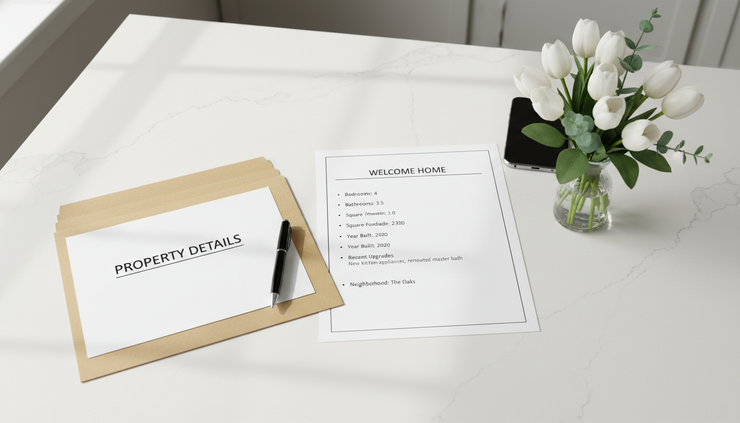
Set out a simple folder or one-page handout in an easy-to-see place, such as the kitchen counter. Keep it neat and factual.
Useful materials can include:
Property feature sheet
List of recent updates and approximate dates
Utility information if available
Floor plan, if you have one
HOA details, if applicable
Appliance manuals or warranty details
Neighborhood notes, such as nearby parks, schools, or transit options
Do not include private documents, account numbers, or anything with sensitive personal information. Keep financial and legal details limited to what your agent recommends.
A short update list can be valuable. For example, note if the home has a newer water heater, updated flooring, fresh interior paint, or recent landscaping work. Buyers like knowing what has been maintained.
Before each showing, make sure the materials are clean, current, and easy to take. Replace wrinkled pages. Remove outdated notes.
If you want help getting your home ready before showings, contact Wanda J. for local real estate guidance.
FAQ
How clean should my home be before a showing?
It should look clean enough for guests and detailed enough for buyers. Focus on kitchens, bathrooms, floors, windows, and odors. These areas get the most attention.
Should I leave during the showing?
Yes, in most cases. Buyers feel more comfortable asking questions and taking their time when the seller is not present.
What should I do with pets during a showing?
Take pets with you if possible. If they must stay, secure them safely and tell the showing agent ahead of time.
Is it worth staging every room?
Not always. Start by cleaning, decluttering, improving light, and making each room’s purpose clear. Small changes can make a strong difference.
Make every showing feel ready
A successful showing comes down to preparation. Clean the home. Clear the clutter. Improve the entry. Set the right mood. Show off the best features. Provide useful information.
Do these steps before every appointment, not just the first one. Buyers may arrive with fresh eyes, and the next showing could be the one that leads to an offer.


Comments