.png)
Home Staging Tips That Boost Property Value and Attract Buyers

Buyers start judging a home before they understand its square footage, roof age, or tax history. They notice how it feels. They notice whether the entry is clean, whether rooms seem spacious, whether natural light fills the space, and whether they can picture their own furniture, routines, and future there.
That is why staging matters. Good staging does not hide flaws or turn a home into a showroom. It helps a property present its best self. It removes distractions, highlights strengths, and makes each room easy to understand.
The best part is that staging does not always require a full renovation or expensive rental furniture. Many of the most effective changes are simple, practical, and low cost. A cleaner entry, better lighting, edited furniture, fresh neutral paint, and a few warm details can change how buyers respond the moment they walk in.

Why staging can raise perceived value
A home’s market value depends on location, condition, size, comparable sales, and buyer demand. Staging does not change those fundamentals. What it can change is perceived value, which affects how buyers feel about the price.
When a home looks clean, organized, and intentional, buyers often assume it has been well cared for. When rooms are cluttered or oddly arranged, buyers may focus on problems, even small ones. They may start mentally subtracting from the offer price because the home feels like work.
Staging helps in three key ways:
It makes rooms look larger
Removing excess furniture and clutter gives buyers a clearer sense of scale.
It defines the purpose of each space
A spare room becomes a home office, guest room, or nursery instead of a storage area.
It creates emotional connection
Buyers are not just buying walls and floors. They are imagining daily life.
A staged home also tends to photograph better. Since most buyers see a home online before visiting, strong photos can lead to more showings. More interest can create better selling conditions, especially in a competitive market.
Start with decluttering before you decorate
Decluttering is the most powerful first step in staging. No decorative pillow or fresh flower arrangement can compete with clean sightlines and open surfaces.
The goal is not to erase personality completely. The goal is to help buyers notice the home instead of the things inside it.
Start with the areas buyers study most closely:
Kitchen counters
Bathroom vanities
Closets
Entryways
Living room surfaces
Bedroom nightstands
Garage or storage areas
Pack away anything you do not use daily. That includes extra appliances, stacks of mail, seasonal decor, hobby supplies, and countertop collections. If the home is still occupied, use attractive bins or closed storage for the essentials.
Closets deserve special attention. Buyers open them because storage matters. A packed closet suggests the home lacks space, even if the closet is a good size. Remove off-season clothing, extra linens, and bulky items. Leave breathing room between hangers and keep shelves neat.
The same applies to cabinets and pantries. Buyers do not expect perfection, but they do notice overcrowding. A tidy pantry with fewer items looks more spacious than a full one, even if both are the same size.
Use the one-third rule for surfaces
For open shelves, mantels, and tabletops, remove about two-thirds of what is currently there. Leave a few simple items such as a vase, a small stack of books, a plant, or a framed print.
This gives the eye a place to rest. It also makes photos cleaner and brighter.
Store, donate, or discard
Decluttering is easier when every item has a next step.
Item type | Best action | Why it helps |
Daily essentials | Keep neatly stored | Maintains function while reducing mess |
Off-season items | Pack and store | Creates more visible space |
Duplicate items | Donate or discard | Reduces cabinet and closet crowding |
Personal collections | Pack before showings | Keeps buyers focused on the home |
Broken or unused items | Remove | Signals care and good maintenance |
If you plan to move soon, think of this as early packing. Every box handled now is one less task later.
Arrange furniture to show flow and function
Furniture placement can make a room feel spacious or cramped. Buyers should be able to walk through each room easily and understand its purpose within seconds.
Start by removing pieces that block paths, windows, fireplaces, or built-in features. Oversized sectionals, extra chairs, and bulky cabinets often make rooms feel smaller than they are.
Then create a layout that supports conversation and movement.
Leave clear walking paths
A good rule is to create obvious paths between doorways, seating areas, and main features. Buyers should not have to sidestep furniture or squeeze around corners.
In living rooms, pull furniture slightly away from walls if space allows. This can make the room feel more balanced and inviting. Face seating toward a focal point such as a fireplace, large window, or simple media wall.
In bedrooms, make the bed the clear anchor. Center it on the main wall when possible, add matching or balanced nightstands, and keep pathways open on both sides.
In dining rooms, size matters. A large table may technically fit, but if chairs press against walls, the room will feel tight. Remove leaves from extendable tables and reduce extra chairs if needed.
Make every room easy to name
One common staging mistake is leaving a room without a clear purpose. A spare bedroom filled with boxes does not help buyers. Neither does a formal dining room that has become a workout area, office, and storage zone all at once.
Give each room a single job.
A small room can become:
A guest bedroom with a simple bed and side table
A home office with a desk, chair, and lamp
A reading room with a chair, small table, and bookcase
A nursery with soft, minimal furnishings
Choose the purpose that fits the home’s likely buyer. In many markets, a dedicated home office is appealing. In family-oriented neighborhoods, an extra bedroom may carry more value.
Use scale to your advantage
Small rooms need lighter furniture and fewer pieces. Large rooms need enough furniture to feel useful, not empty.
If a sofa overwhelms a modest living room, replace it with a smaller sofa or remove extra chairs. If a large primary bedroom feels bare, add a bench at the foot of the bed, a rug, or a reading chair to show comfort and scale.
Staging works best when furniture answers a buyer’s silent question: “How would I live here?”
Choose color schemes that feel fresh and flexible
Paint is one of the most cost-effective staging tools. A fresh coat can make a home feel cleaner, newer, and better maintained.
For selling, neutral colors usually work best. That does not mean every wall must be plain white. It means choosing shades that complement many furniture styles and help rooms feel bright.
Strong choices include:
Warm white
Soft cream
Light greige
Pale taupe
Soft gray with warm undertones
Muted beige
Very light sage or blue-gray in select spaces
Avoid highly personal colors such as bright red, neon green, deep purple, or intense orange. These colors may appeal to some buyers, but they can distract others. Dark accent walls can work in the right room, but they need strong lighting and careful styling.
For trim, doors, and ceilings, clean white often creates the freshest look. Touch up scuffs, chips, and worn baseboards. Buyers may not notice every paint repair, but they will notice the overall feeling of care.
Keep contrast soft and intentional
A strong black-and-white palette can look stylish in photos, but too much contrast may feel cold. Balance it with wood tones, woven textures, plants, and warm lighting.
A good staging palette often includes:
One main neutral wall color
One or two natural textures such as wood, linen, jute, or ceramic
One soft accent color in pillows, artwork, or greenery
Black, brass, or matte metal used sparingly for definition
This keeps the home feeling polished without making it seem too designed.

Improve lighting so every room feels inviting
Lighting influences mood more than most sellers realize. A dim home can feel smaller, older, or less welcoming. A bright home feels cleaner and more spacious.
Before showings or photography, open blinds and curtains. Clean the windows, especially glass doors and large panes. Dust lampshades and light fixtures. Replace burned-out bulbs.
Aim for layered lighting in main spaces:
Natural light from windows
Overhead light for general brightness
Table or floor lamps for warmth
Task lighting in kitchens, bathrooms, and offices
Use matching bulb temperatures where possible. Mixing cool blue light with warm yellow light can make rooms feel uneven. For most living areas, soft white bulbs create a warm, comfortable look. Kitchens and bathrooms can handle slightly brighter light, as long as it does not feel harsh.
Brighten dark corners
Dark corners can make rooms feel smaller. Add a floor lamp near a reading chair, a table lamp on a console, or a small lamp in an entry. Mirrors can also help reflect light, especially when placed across from or near windows.
Avoid blocking windows with heavy curtains, furniture, or large plants. If window treatments are outdated or dark, replace them with simple light-filtering curtains or clean blinds.
For exterior showings, lighting matters too. Working porch lights, path lighting, and clean fixtures help the property feel safe and cared for during evening visits.
Enhance curb appeal before buyers step inside
Curb appeal sets the tone. Buyers often form a first impression in the driveway or at the curb, and that impression follows them through the entire showing.
Start with basic cleanup:
Mow the lawn
Edge walkways
Trim overgrown shrubs
Remove weeds
Sweep the porch
Wash windows
Clear cobwebs
Store hoses, bins, and tools
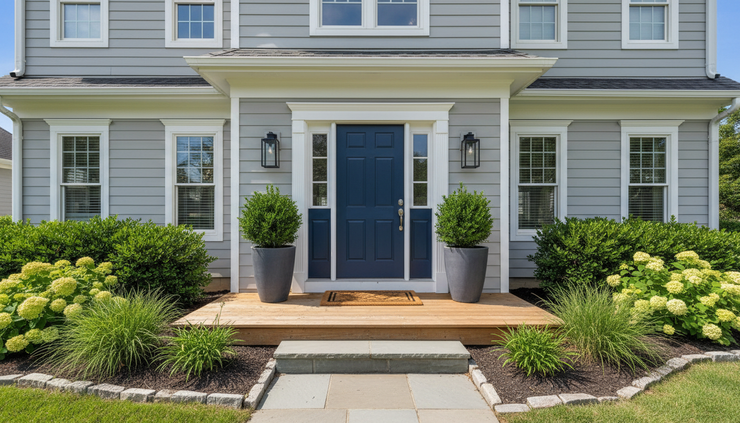
Then focus on the front door area. A freshly painted door, clean hardware, and a new doormat can make the entry feel much more welcoming. Choose a door color that complements the home’s exterior. Black, navy, deep green, warm red, and natural wood tones can all work, depending on the house.
Potted plants add life without major landscaping costs. Use matching planters for a pulled-together look. If the season allows, choose hardy plants with clean shapes and healthy foliage.
Make the exterior look maintained
Buyers read small exterior issues as signs of larger maintenance concerns. Peeling paint, broken lights, cracked planters, loose railings, and dirty siding can all raise doubts.
Pressure wash siding, walkways, and patios if appropriate for the material. Clean gutters if they are visibly full. Touch up porch paint and replace damaged house numbers. These details help buyers feel that the home has been looked after.
If the backyard is a selling point, stage it too. Arrange outdoor chairs, clean the patio, add cushions, and define areas for dining or relaxing. Even a small balcony can feel valuable with two chairs and a small table.
Add personal touches without making the home too personal
Staging does not mean stripping a home of warmth. A completely empty or sterile space can feel cold. The key is to add touches that feel inviting while still letting buyers imagine their own life there.
Use simple details such as:
Fresh towels in bathrooms
A bowl of fruit in the kitchen
A folded throw on a sofa
A vase with greenery
A tray on a coffee table
Neutral artwork
Clean bedding with layered pillows
Remove items that are too specific or distracting. This includes family photo walls, political items, religious collections, personal paperwork, awards, and anything valuable or fragile. Buyers should not feel like guests in someone else’s private space. They should feel like the home is ready for them.
Scents also matter. Avoid strong candles, plug-ins, or heavy room sprays. Buyers may wonder if the scent is covering something. Clean is the best smell. If you want a subtle touch, open the windows before showings when weather allows or use mild natural scents sparingly.
Style kitchens and bathrooms with care
Kitchens and bathrooms carry extra weight because updates in these rooms can be costly. Even when they are not newly renovated, they should look clean and fresh.
For kitchens:
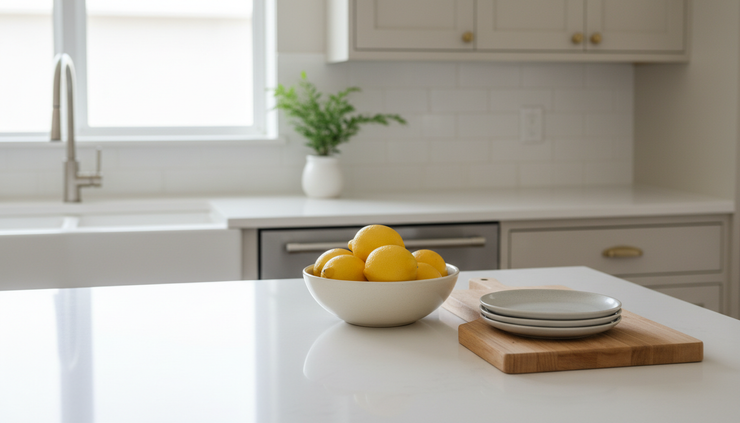
Clear counters except for one or two styled items
Remove magnets and papers from the refrigerator
Clean appliances inside and out
Organize visible shelves
Empty the sink before every showing
For bathrooms:
Use fresh white or neutral towels
Remove personal care products
Clean grout and mirrors
Close the toilet lid
Add a small plant or simple soap dispenser
Small upgrades can help too. New cabinet hardware, fresh caulk, modern light fixtures, and updated faucets can improve the look without a full remodel.
Focus on high-impact rooms first
If time or budget is limited, stage the spaces that influence buyers most. The living room, kitchen, primary bedroom, bathrooms, and entryway usually deserve top priority.
These are the areas where buyers imagine daily life. They picture relaxing in the living room, cooking in the kitchen, waking up in the bedroom, and welcoming guests through the entry.
Use this order to guide your staging plan:
Priority | Room or area | Best staging move |
1 | Entryway | Clean, brighten, and create a welcoming first moment |
2 | Living room | Arrange furniture for conversation and open flow |
3 | Kitchen | Clear counters and make surfaces shine |
4 | Primary bedroom | Use calm bedding, balanced lamps, and minimal decor |
5 | Bathrooms | Make them spotless, bright, and simple |
6 | Outdoor areas | Show usable space for relaxing or entertaining |
Vacant homes may need more help than occupied homes. Empty rooms can look smaller because buyers have no scale reference. If full staging is not possible, focus on the main living area and primary bedroom. Even a few key pieces can help buyers understand size and function.
Avoid common staging mistakes
Some staging choices can work against the sale, even when the home is clean and well maintained.
Watch for these common issues:
Too much furniture
Crowded rooms feel smaller and harder to navigate.
Too many decorative items
Accessories should support the room, not steal attention.
Overly trendy styling
Trend-heavy choices may date the home or narrow its appeal.
Ignored repairs
Staging cannot distract buyers from loose handles, stained carpet, cracked tiles, or dripping faucets.
Poor lighting
Dark rooms often feel less inviting in person and in photos.
Strong personal style
Bold decor can make it harder for buyers to picture their own belongings.
The best staging feels natural. Buyers may not consciously notice every choice, but they should feel that the home is clean, spacious, and easy to love.

Make staging part of the selling strategy
Staging works best when it supports the full selling process. It should happen before listing photos, open houses, and private showings. Photos are often the first showing, and they need the home to look its best.
Before photos, walk through each room with a buyer’s eye. Look for visual distractions, dark corners, crowded surfaces, and unclear room layouts. Take photos on your phone from the doorway of each room. Photos reveal clutter and imbalance that can be easy to miss in person.
Before each showing, do a quick reset:
Turn on lights
Open curtains or blinds
Clear counters
Make beds
Empty trash cans
Put away personal items
Wipe sinks and mirrors
Sweep the entry
Secure pets and pet items
A staged home does not need to look perfect every second. It needs a reliable showing routine that keeps the property ready when buyers arrive.
The takeaway for sellers
Strong staging helps buyers see value faster. It makes rooms feel larger, brighter, cleaner, and more useful. It also reduces the mental work buyers have to do when they walk through the home.
Start with decluttering. Rearrange furniture so each room has a clear purpose. Use neutral colors, better lighting, and thoughtful details to create warmth. Do not overlook curb appeal, because the first impression begins outside.
The goal is simple: help buyers feel at home before they ever make an offer. When a property feels easy to live in, easy to maintain, and easy to love, it stands a better chance of attracting serious interest and stronger offers.


Comments